Planning & Resiliency COLLINSWOERMAN - SEATTLE
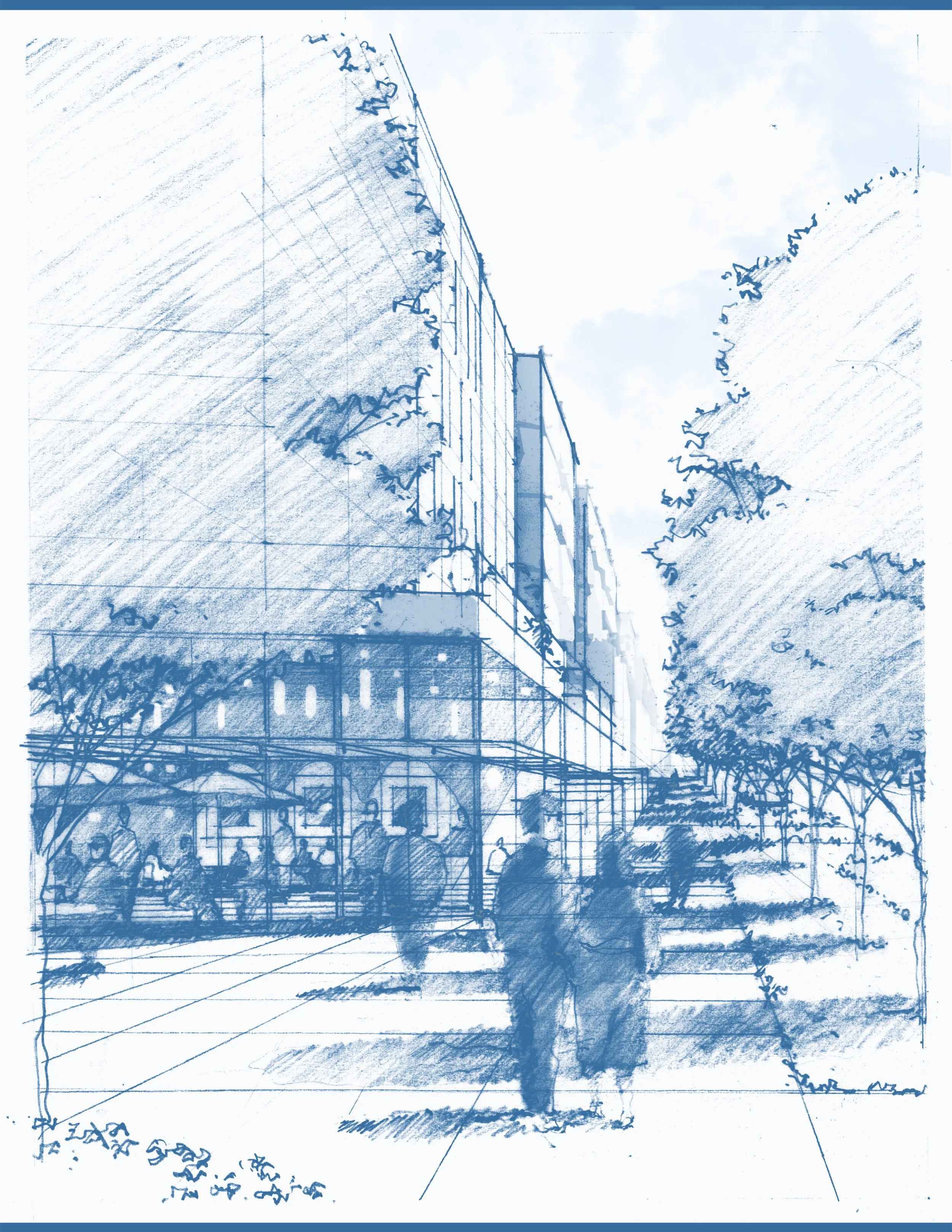
Vignette from a planned redevelopment of a strip mall in Bridal Trails, WA
Working closely with CollinsWoerman's Resilience Lead to develop flood mitigation strategies sharpened my language and resiliency knowledge. I contributed to private studies for clients, demonstrating the potential of their properties to inspire and engage developers, neighbors, and other stakeholders. Drawing on my past experience, interviews with lead planners at CW, and insights gained from online seminars, I created a community engagement presentation. I then led a discussion focused on how to ask meaningful questions that elicit actionable feedback, enhancing the overall community engagement process.
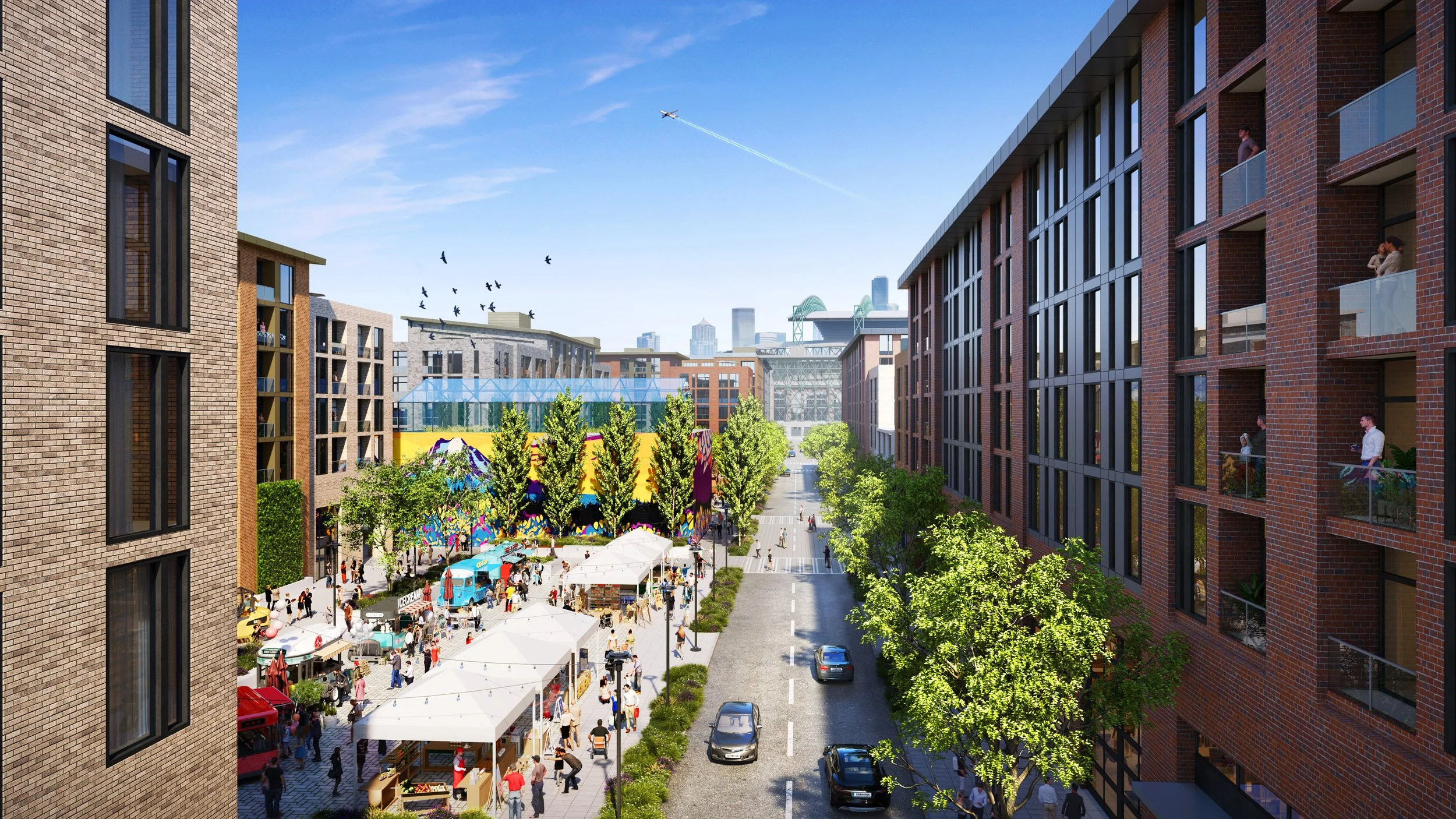
VISIONING - Stadium District, Seattle
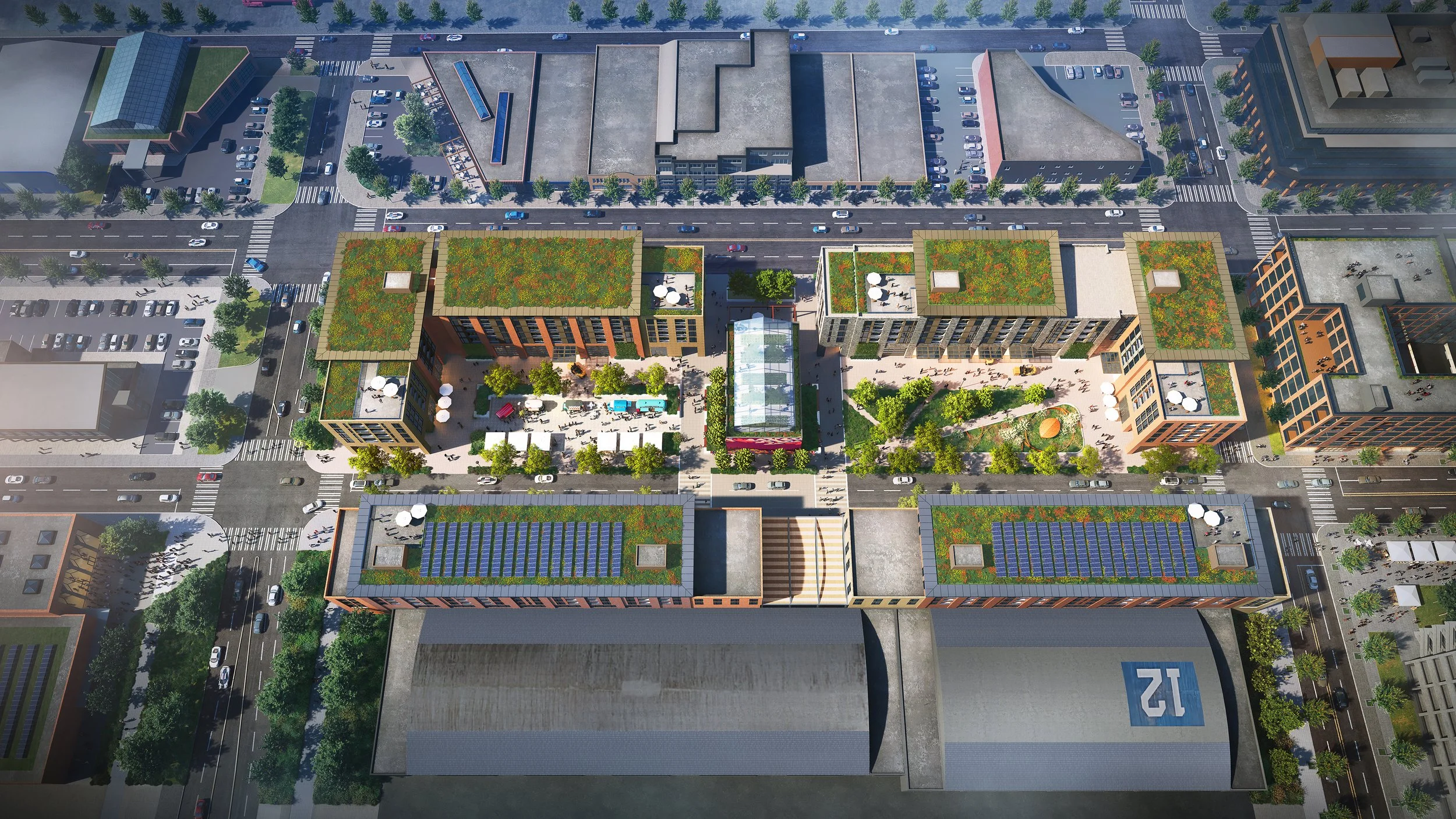
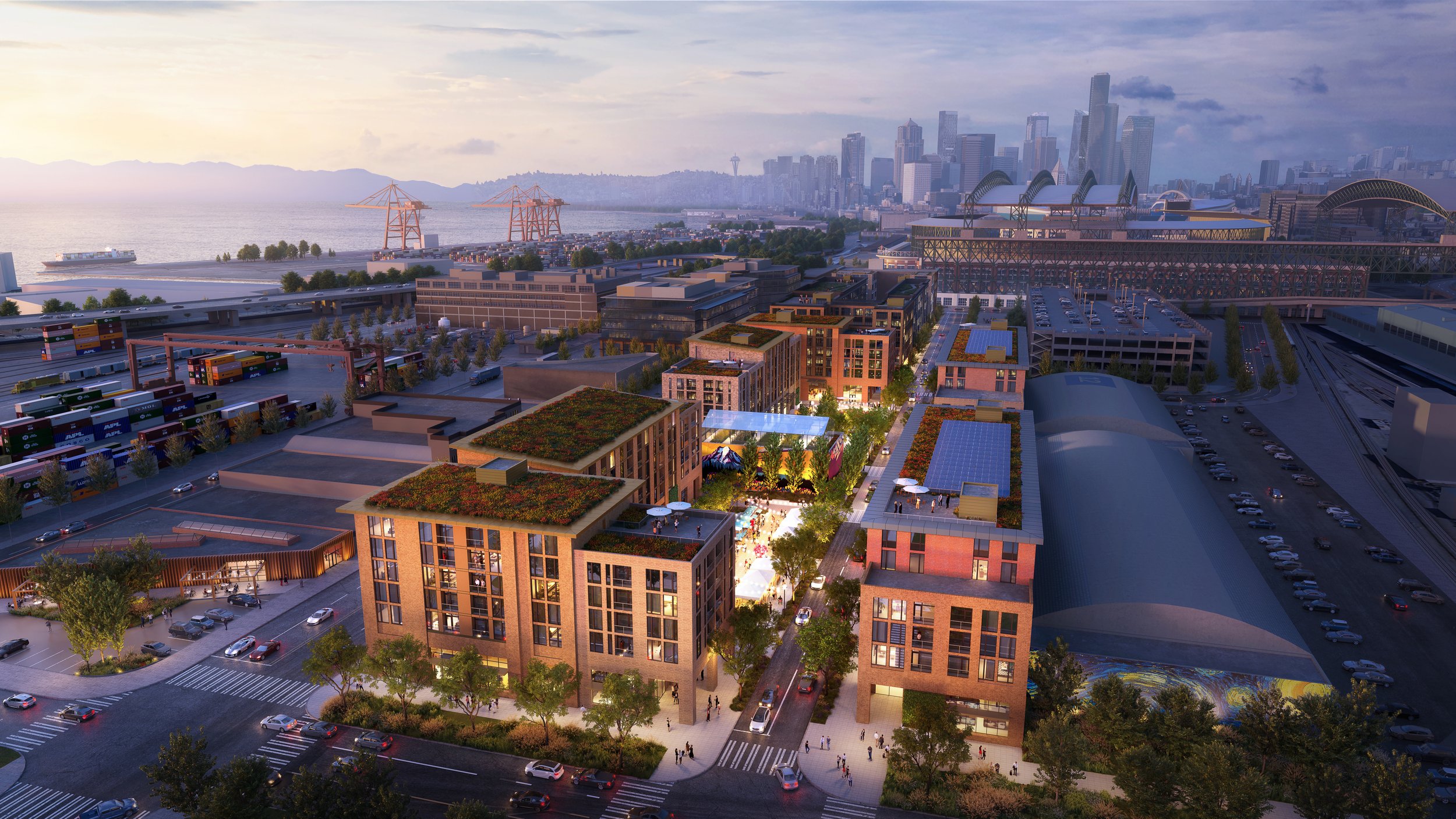
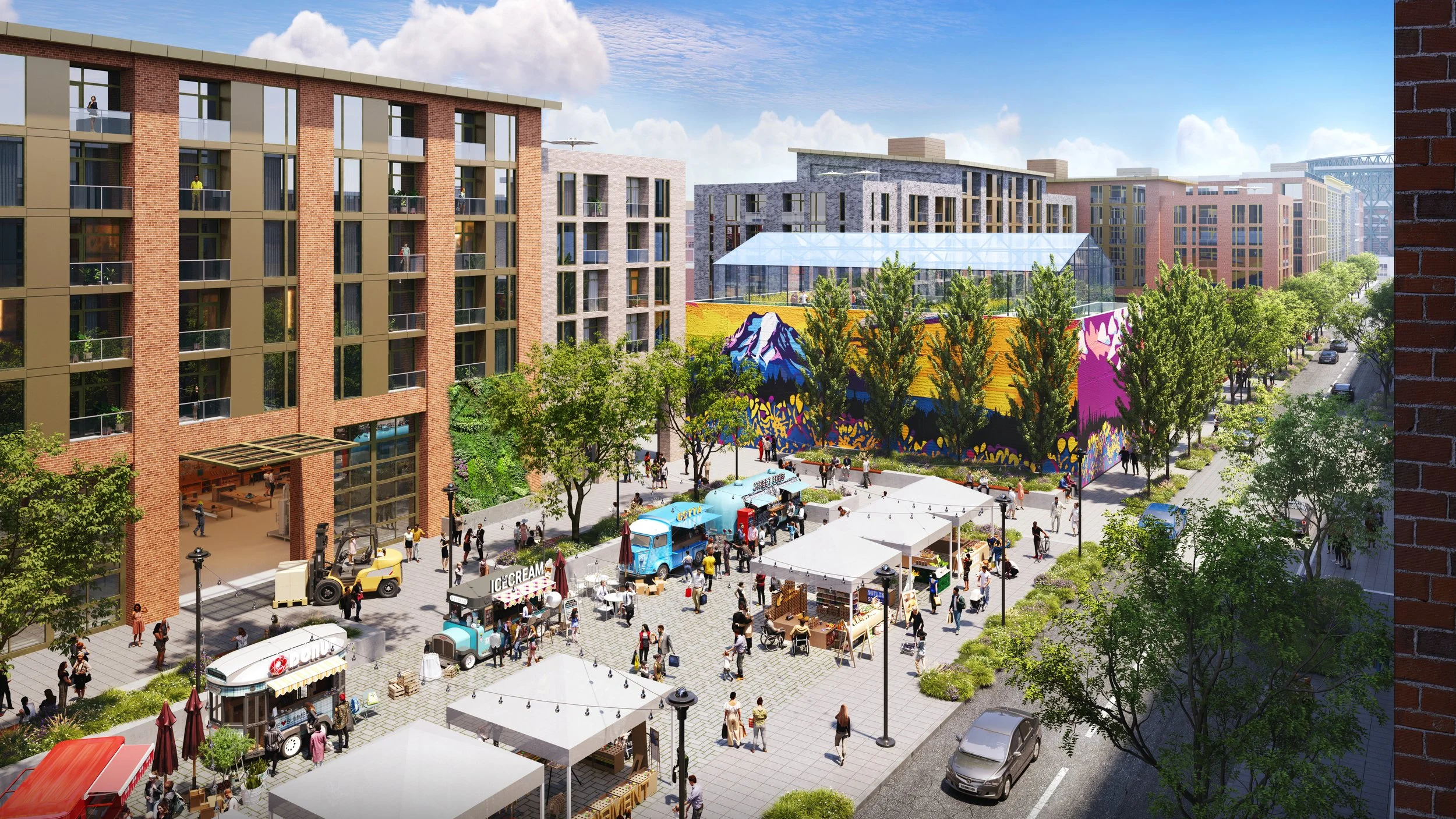
Working with private clients, I envisioned a new neighborhood hub south of T-Mobile Park in Seattle, Washington. This plan is highly controversial due to its close proximity to the Port of Seattle, yet it holds strong promise in addressing the city’s shortage of housing. The primary challenge was to study and illustrate how a Maker’s District could be seamlessly integrated into existing industrial lands adjacent to two large stadiums and a set of nearby light rail stops.
The project proposes transforming underused industrial land into a vibrant, mixed-income neighborhood that prioritizes affordable housing near transit and employment opportunities. It also incorporates live-work spaces tailored for small manufacturers, enhances public safety, and fosters a strong sense of community.
Resiliency is central to the design. Every building’s ground floor is set at a height of 25 feet to accommodate commercial forklifts necessary in maker spaces. This elevated ground floor also serves to protect residential areas from potential tsunami flooding, ensuring long-term safety and resiliency for the neighborhood.
Ultimately, this Maker’s District aims to balance industrial activity with residential life, creating a dynamic urban environment that supports economic diversity and community vitality.
Visioning - Chelan public utility district
Working in collaboration with Chelan Public Utility District, my team and I developed a conceptual marketing package aimed at attracting future developers to invest in Wenatchee, Washington. The proposed development occupies the site of the former Chelan PUD headquarters, located just outside downtown Wenatchee.
Our approach emphasized practicality and prioritized the streetscape and human experience. To maximize potential, we proposed dividing the site into three distinct parcels. Commercial activity is concentrated along a pedestrian pathway known as the Spillway Steps, creating an inviting, walkable environment that encourages community interaction. A key feature of the project is a pedestrian underpass that links downtown with the waterfront, enhancing connectivity and accessibility.
The site fronts Electric Avenue, a newly constructed, pedestrian-oriented street designed to foster connectivity. Electric Avenue serves as a vital link between a new YMCA facility and prominent local cultural destinations such as the Riverside Theater and the Downtown Convention Center, positioning the development as an integral part of Wenatchee’s cultural and social fabric.


Resiliency planning - King county flood CONTROL district
Working closely with elected officials from King County and the cities of Tukwila, Kent, and Auburn within the Green River Basin, I played a key role in facilitating a value-building workshop aimed at creating consensus among diverse organizations. The goal was to develop integrated, collaborative solutions to address recurring flooding challenges in the Green River Basin.
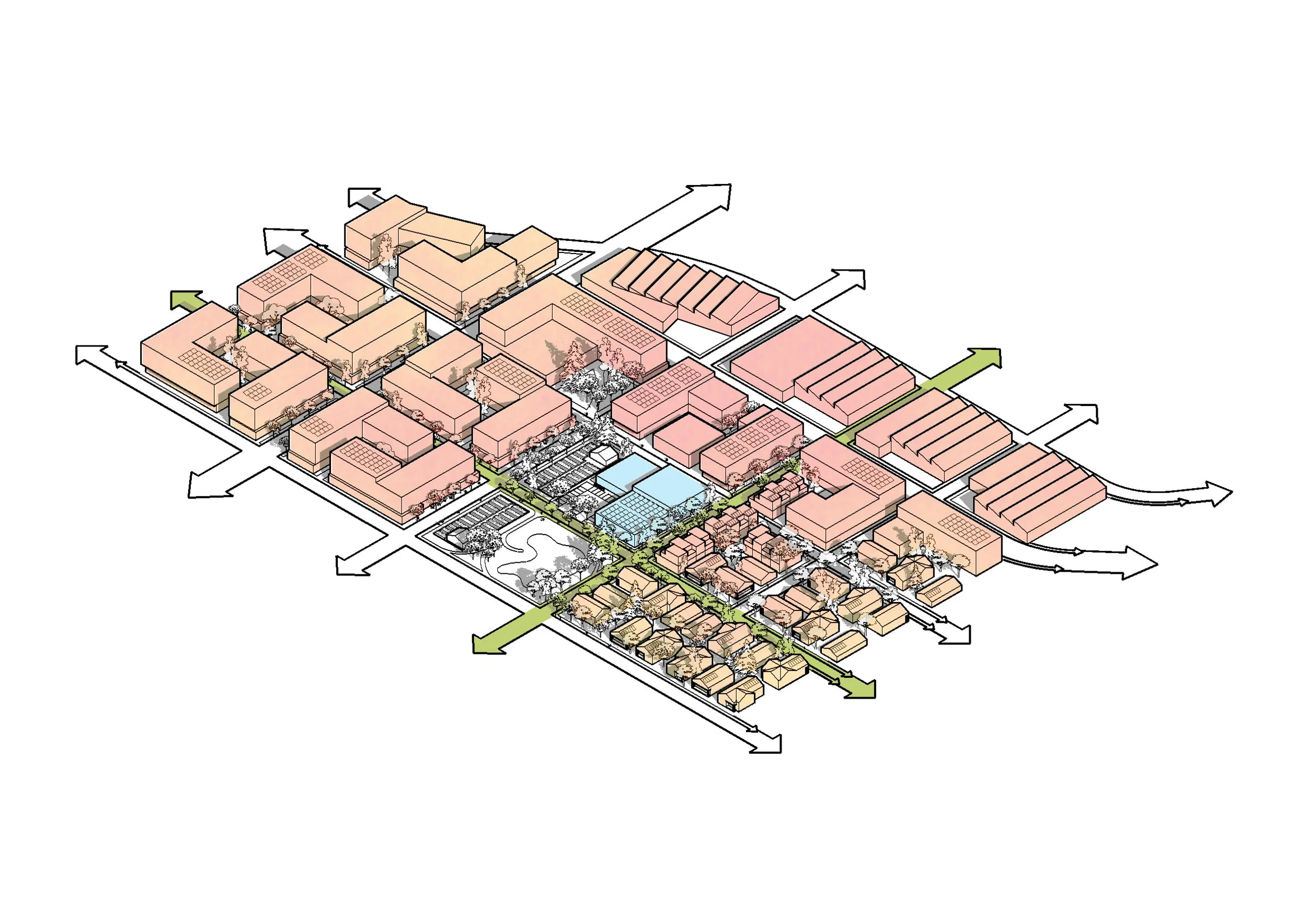
The workshops culminated in a comprehensive final report that clearly identifies major challenges faced by the region. It proposes a set of integrated solutions organized into a practical “toolkit” format to guide future efforts. Additionally, the report explores key sites where these integrated solutions can be most effectively implemented to reduce flooding impacts. Below are diagrams extracted from the toolkit, illustrating the potential of these integrated solutions to create resilient, adaptive responses to flooding in the Green River Basin.



Commercial Development Study - Private client
This private development study was one of the first projects I managed from start to finish. I developed the graphic style and final deliverable with limited oversight. My role involved coordinating a team that included a manager, who served as the client liaison, and a designer who assisted in vetting massing options. I interpreted land-use regulations, building codes, rough site data, and engineering drawings of proposed streets to create viable development options. The study projected the addition of nearly 1,500 housing units on a site located directly across from a planned light rail stop in Bellevue, WA, aiming to maximize profitability while adhering to regulatory requirements.


Data organization and presentation are fundamental to effectively conveying the potential of a prospective site. By coordinating inputs from multiple consultants and stakeholders, I developed concise and clear graphics that illustrated the site opportunity while accounting for spatial and regulatory constraints. These visuals, combined with rigorously tracked metrics, provide a comprehensive understanding of the site’s potential without overstating possibilities.
A thorough grasp of the International Building Code (IBC) and land-use regulations—and how their interplay shapes constructible massing—was essential to accurately define development parameters.
Team coordination was critical given the tight two-week turnaround mandated by the RFQ. I managed client expectations, communicated scheduling requirements to both internal teams and the client, and facilitated seamless information flow among the client, consultants, and project team to ensure timely delivery.
Graphic quality control was vital in conveying complex information in an accessible way. With minimal support from marketing, I assembled and formatted the study contents, ensuring a polished and professional presentation that clearly communicated the site’s potential.